
2 years or 3 years
September 2027
£46,000
London
L57
BA01

Build your filmmaking skills, find your creative voice and prepare for your future in the industry at London Film Academy. Our BA (Hons) Filmmaking programme, validated by the University of Derby, is an intensive, hands-on degree designed to bring you closer to the realities of professional filmmaking. Working collaboratively from the outset, you’ll gain practical experience across film production, develop your creative confidence and build the skills to take your next step, whether that’s starting your career or progressing to postgraduate study.
At LFA, you’ll learn from working film and television professionals and practitioners and benefit from our connections across the industry. Our industry partners include Arri, Focus Canning, Hollyland, NAHEMI (National Association for Higher Education in the Moving Image) and Guildhall Music. Throughout the programme you’ll train on professional camera, lighting, sound and post-production equipment. London Film Academy is also an ARRI Certified Film School.
Through hands-on production, individual guidance and a supportive, international filmmaking community, you’ll develop your strengths, explore your creative ambitions and learn how to work effectively as part of a production team. Over the course of the BA, you’ll work on 10 to 15 films, and along the way, you’ll build experience across different stages of production.
You’ll graduate with practical production experience, a portfolio of your work and a showreel to support your next steps in film and television. You’ll also learn to speak the language of the film industry, so that you can talk confidently about each role on a production and how those roles work together. Throughout your studies, you’ll explore the responsibilities of working in the screen industries, developing an approach to filmmaking that is both ethical and sustainable, and learning to address the ethical and professional questions that funders and commissioners will ask when you pitch a project or apply for funding.

From September 2027, we plan to introduce specialist film projects in Fiction Filmmaking, Factual Filmmaking and Post-Production, together with a choice of a two-year or a three-year route. These changes are currently progressing through approval process with the University of Derby, which validates the degree, and some details may change as a result. If anything does change after you have applied, we will tell you as soon as possible and explain your options. Whichever projects or route you choose, you’ll be awarded a BA (Hons) Filmmaking degree on successful completion of the programme.
Developing your filmmaking skills by building a foundation in the creative and technical skills behind the camera, including visual storytelling, scriptwriting, directing, cinematography, production design, sound recording and editing. You’ll learn to use industry-standard equipment and software and explore the roles and responsibilities involved in bringing a film to life. You’ll put these skills into practice through LFA’s Supershorts Film Project, a two-minute short film production cycle in which you rotate through a range of creative and technical crew roles. Working collaboratively with your cohort, with industry tutors providing expert guidance and hands-on support on set throughout the production process, you’ll develop and produce a series of short films on Super 16mm film, gaining practical experience of analogue filmmaking and professional on-set workflows.
Apply your storytelling and filmmaking knowledge across two film projects. You’ll develop a body of work that either deepens your understanding of fiction filmmaking, explores factual filmmaking or focuses on the craft of post-production.
In Term 3, you’ll take your project from research and development through to delivery, considering the ethical questions that arise throughout the process and the professional responsibilities involved.
In Term 4, you’ll also consider who your film is for, how emerging tools, including AI, are changing filmmaking, and how independent films reach audiences through marketing and distribution, before reflecting on how the project prepares you for the final stage of the programme.
Final major project and professional development. Bring your skills, experience and creative vision together in a final major project, exploring a research question linked to your career ambitions through a film, a work placement or an individual creative artefact. You’ll pitch your project and write a research proposal, then complete it in collaboration with others. You’ll reflect on your achievements and develop a professional digital portfolio and showreel to support your next step into the film and screen industries.
The three-year route follows the same structure and specialist projects as the two-year route, with one difference: a year of industry work experience after Term 4, before you return for Terms 5 and 6 and your final major project.
Our placements team finds you placement opportunities, or you can find your own: either way, we support you through the application, interview and onboarding process. Students have previously undertaken placements with organisations such as:
Placements are competitive and depend on availability, so we cannot guarantee a placement with a particular organisation. If you require a Student Visa, please contact our Admissions team before applying to discuss the visa implications of your chosen study route, as you will be issued with a CAS covering either the two-year or three-year route, depending on your choice.
To choose the three-year route, select the relevant option on the LFA application form.


Gain hands-on experience across directing, screenwriting, cinematography, sound, editing, and production, learning the complete filmmaking process from script to screen.

Thrive in an intimate learning environment with personalised feedback and a strong staff-to-student ratio that ensures your creativity is nurtured.

Learn from working filmmakers, producers and editors, gaining first-hand insight into the latest techniques and approaches used in film and TV production, while training with professional equipment.

Shoot on industry-standard cameras such as the ARRI Alexa, and gain technical confidence using professional lighting, sound, and post-production tools used on major film sets.

Build experience and connections through real-world placements with leading UK companies like The Imaginarium, Evolutions, and Creativity Media.

Connect with industry professionals and showcase your work at national film and media events, expanding your network and opening doors to future collaborations.

Receive tailored guidance and career support tutorials to help you transition confidently from student filmmaker to industry professional.

Work as part of a film crew, developing teamwork and communication skills essential for success in today's collaborative screen industry.

Gain access to the LFA Filmmakers' Community and continue to collaborate with LFA alumni and fellow professionals.
UCAS Tariff Points: 96-112
A-levels: 3 A-Levels minimum BBC (preferred subjects: Art & Design, Photography, Film & Media Production, Film & Media Studies, Drama, English)
GCSE: at least 3 GCSEs at Grade 4/Grade C (or above) including Maths and English or equivalent qualification
Exceptions: Exceptions apply for applicants aged 21 or above, who may be considered through the experience route. To qualify, candidates must have 4-5 years of professional experience with established production companies or charitable organisations, demonstrating exposure to...

Until 17 Dec 2027
Until 10 April 2028
Until 11 Aug 2028
Register and submit your application through our online registration page. You’ll receive an email confirmation with next steps. You’ll also need to complete your UCAS application at UCAS.com.
Show us your passion for film. Share a portfolio or creative work such as a short film, photography project, or screenplay, this helps us understand your storytelling style and creativity.
Once we’ve reviewed your materials, successful applicants will be invited to an online interview. This is your chance to discuss your ideas, inspirations, and filmmaking goals with our tutors.


-around with other passionate film makers and other strong collaborators. It’s solidified my concept of collaboration in the industry.”
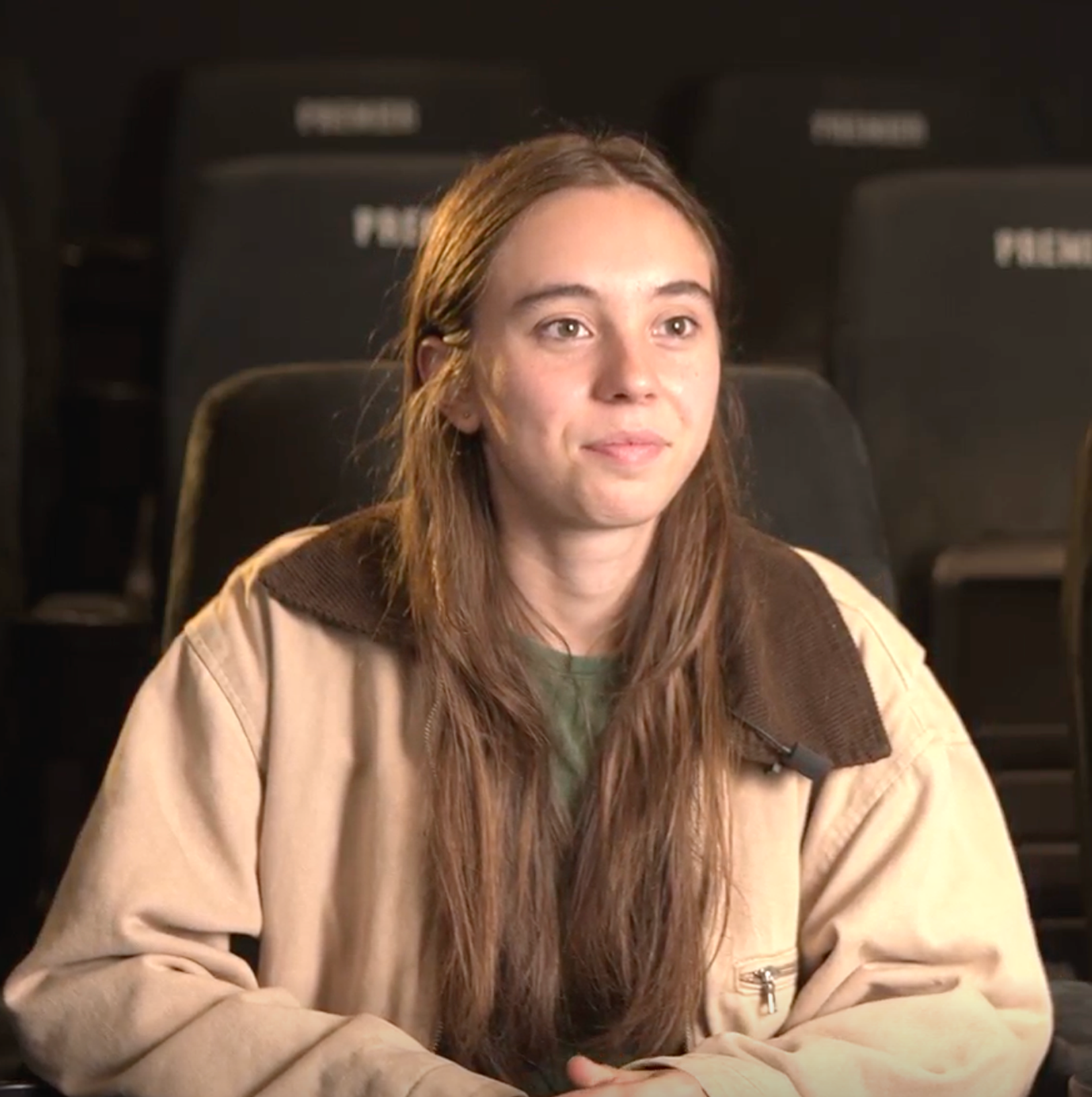
Two years ago, if you had told me I’d be looking for producing jobs when I leave LFA, I’d have said, ‘No way.’ And now, here I am!”
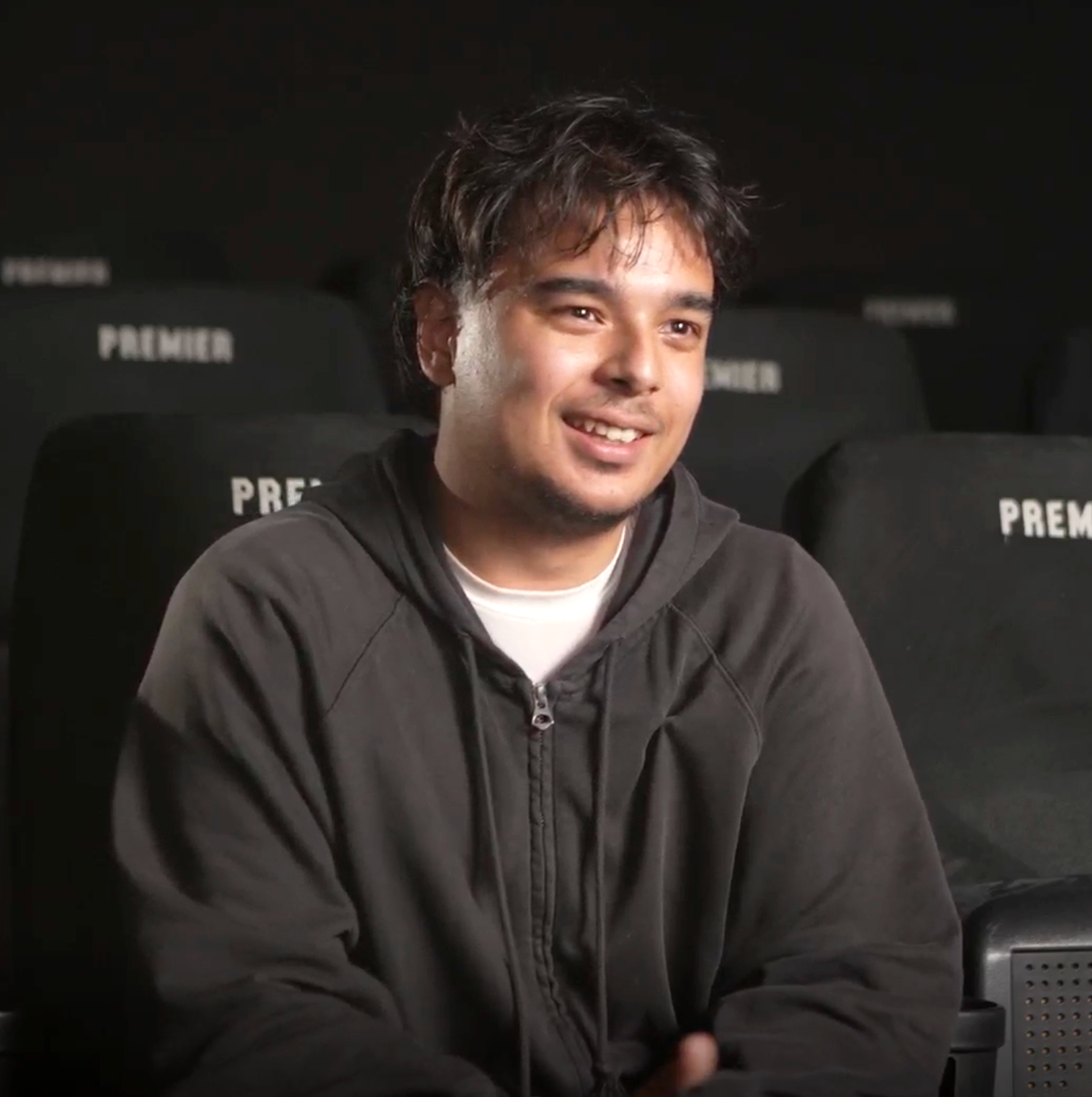
-and people that are all willing to make a film with you."

Yes, the budgets for all film projects on our programmes and courses are included in the overall fees. There are no hidden fees or extra costs with any LFA course.
If your application has been successful, and you have secured your offer and paid the required non-refundable deposit, we may be able to set up a Payment Plan to allow you to pay your course fees in instalments and spread fee payments across the academic year. Please contact the Admissions team directly via email - admissions@londonfilmacademy.com - to find out the application criteria and application process. Please note that Payment Plans are subject to approval and payment of the Payment Plan Administration Fee payable prior to issuing and restrictions may apply.
Eligible applicants may be able to access funding through the Lifelong Learning Entitlement (LLE) formerly known as Student Finance. An LLE tuition fee loan can help towards the cost of your tuition fees. However, please note that this funding will not cover the full cost of the programme.
While we understand that you may need to work to support yourselves during your studies, please be aware that LFA courses are intensive and may include evening or weekend commitments, so any part-time work must fit around your timetable and must not affect your attendance or progress.
International students may be allowed to work part-time, depending on whether you’re working during or outside term-time. Under UKVI rules, Student visa holders can usually work up to 20 hours per week during term-time and full-time during official holidays or once they have completed all elements of their course.
You must only work as an employee on a formal payroll (PAYE basis). You cannot be self-employed or freelance or undertake full-time work before your course has been fully completed.
If your visa application is successful, you’ll be advised of the work conditions attached to your Student visa. You should always check the conditions on your own visa, as restrictions can vary.
LFA has strict sponsorship responsibilities, and any breaches of your visa work conditions, including working more hours than permitted, must be reported to UKVI. This could result in the loss of your Student visa and your right to study in the UK. For more information, visit this page on the UKCISA website.
While we do not provide student accommodation ourselves, we offer valuable guidance on finding safe and affordable housing in the vicinity of our LFA building in Fulham, Southwest London. Explore our accommodation webpage, and read our top tips and advice for accommodation.
Due to the significant demand for affordable student housing in London, we advise securing accommodation early to avoid any inconvenience. Please note that arranging accommodation is the responsibility of the students.
Our BA (Hons) Filmmaking is designed to provide you with a comprehensive understanding of all facets of the filmmaking process, encompassing diverse disciplines and practices. Upon completion of these courses, you will emerge as a versatile, multi-disciplinary professional, significantly enhancing your employability prospects within the industry due to your extensive knowledge and skills.
Our MA Screenwriting course specialises in screenwriting. Several of our short courses specialise in specific disciplines.
LFA is a registered higher education provider with the Office for Students (OfS) and listed on their Register, meaning that we meet the OfS requirements for academic standards, course quality, student support, and student protection. This course is validated by the University of Derby. As a partner student you will be granted access to the University’s online learning environment ‘University of Derby Online (UDo)’ where you will be able to access programme resources related to your programme, the University’s library and your grades.