Written by Alina Zahid (MA Screenwriting student)
Recently, London Film Academy invited executive producer Jan Harlan (A Clockwork Orange, The Shining, Full Metal Jacket) to screen a curated list of short films and share more about his career. The film industry legend was incredibly forthcoming with his time, and the LFA Cinema was packed with students who had no shortage of questions to ask about his decades-long filmmaking journey.
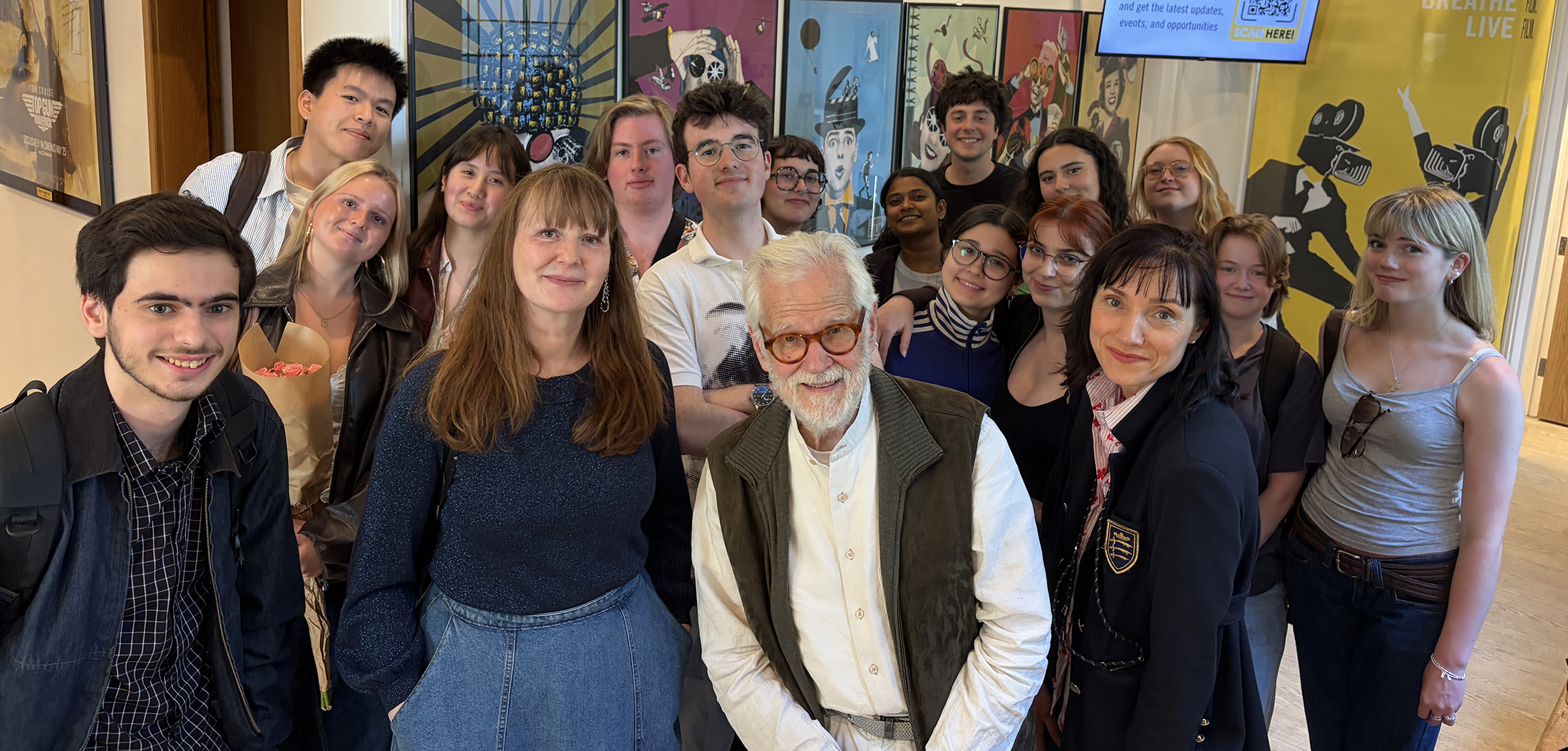
Moderating the Q&A were LFA students Alina Zahid (MA Screenwriting) and Paul Mels (BA (Hons) Filmmaking), who posed questions from themselves, students, and staff and spoke to Jan at length. Alina, no stranger to a write-up, shared with us - in her own words - her experience during what was an exciting day at LFA:
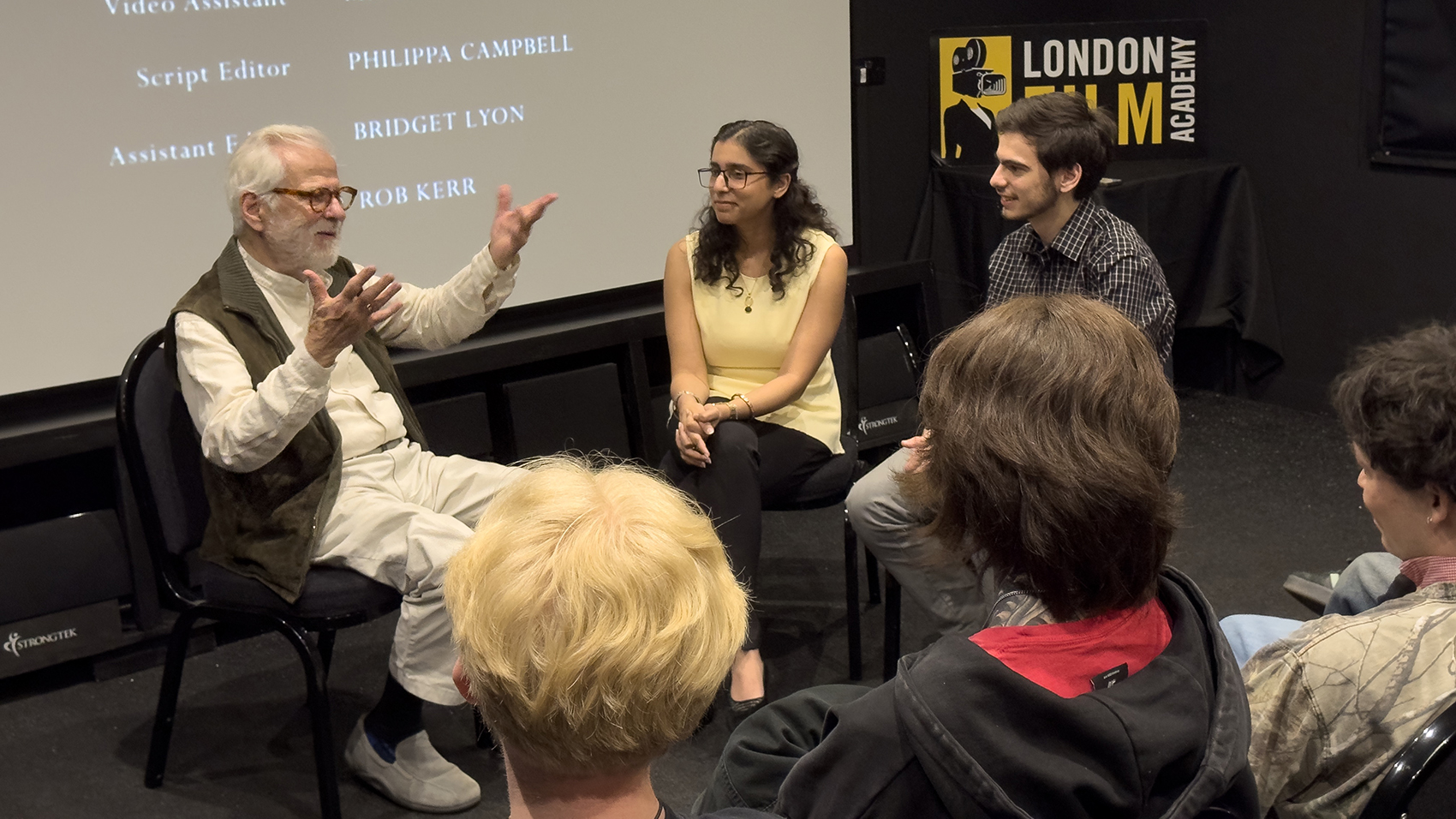
Hosting Jan Harlan
One of the things I have appreciated most about studying for my MA in Screenwriting at London Film Academy is the opportunity to learn not only in the classroom, but directly from professionals working across the film industry. Through its regular masterclasses, screenings, and guest speaker events, LFA gives students the chance to engage with filmmakers, producers, writers, and industry leaders whose experiences offer valuable insights into both the craft and business of filmmaking.
Recently, I had the privilege of hosting a special session with Jan Harlan. Having worked alongside Stanley Kubrick for over three decades, Jan brought not only a remarkable wealth of experience but also a genuine enthusiasm for engaging with students and discussing cinema.
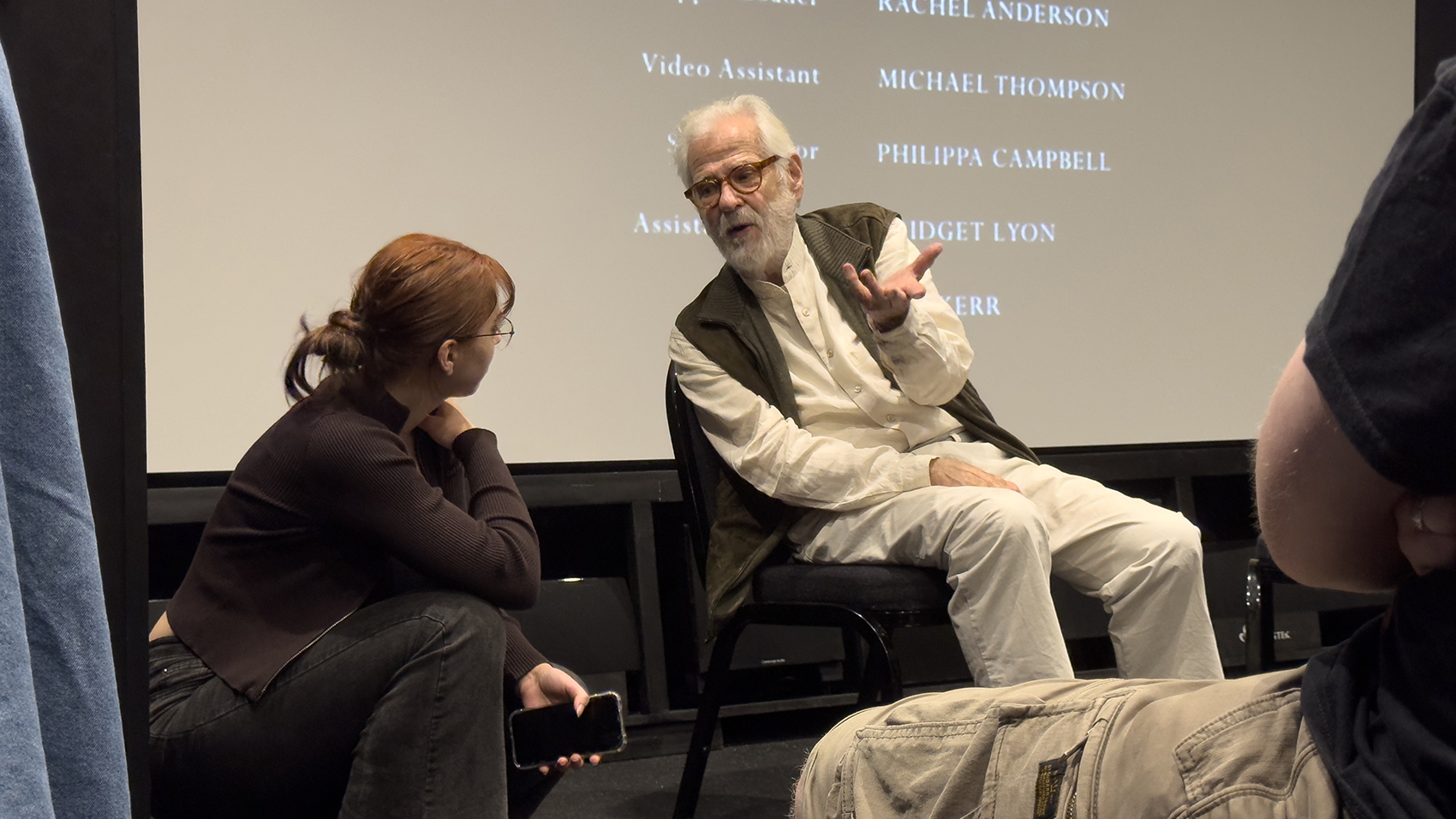
Before the session began, I had a brief chat with Jan about the evening's structure and the films he had selected. The event attracted a full audience, with additional students waiting to attend, reflecting the excitement surrounding his visit.
What I really enjoyed about this masterclass was how Jan presented a curated selection of short films that had stood out to him through his involvement with a European short film festival. The films explored a range of social, political, and moral questions, demonstrating the power of short-form storytelling to engage with contemporary issues. While each film was stylistically different, they shared a willingness to challenge audiences and provoke discussion.
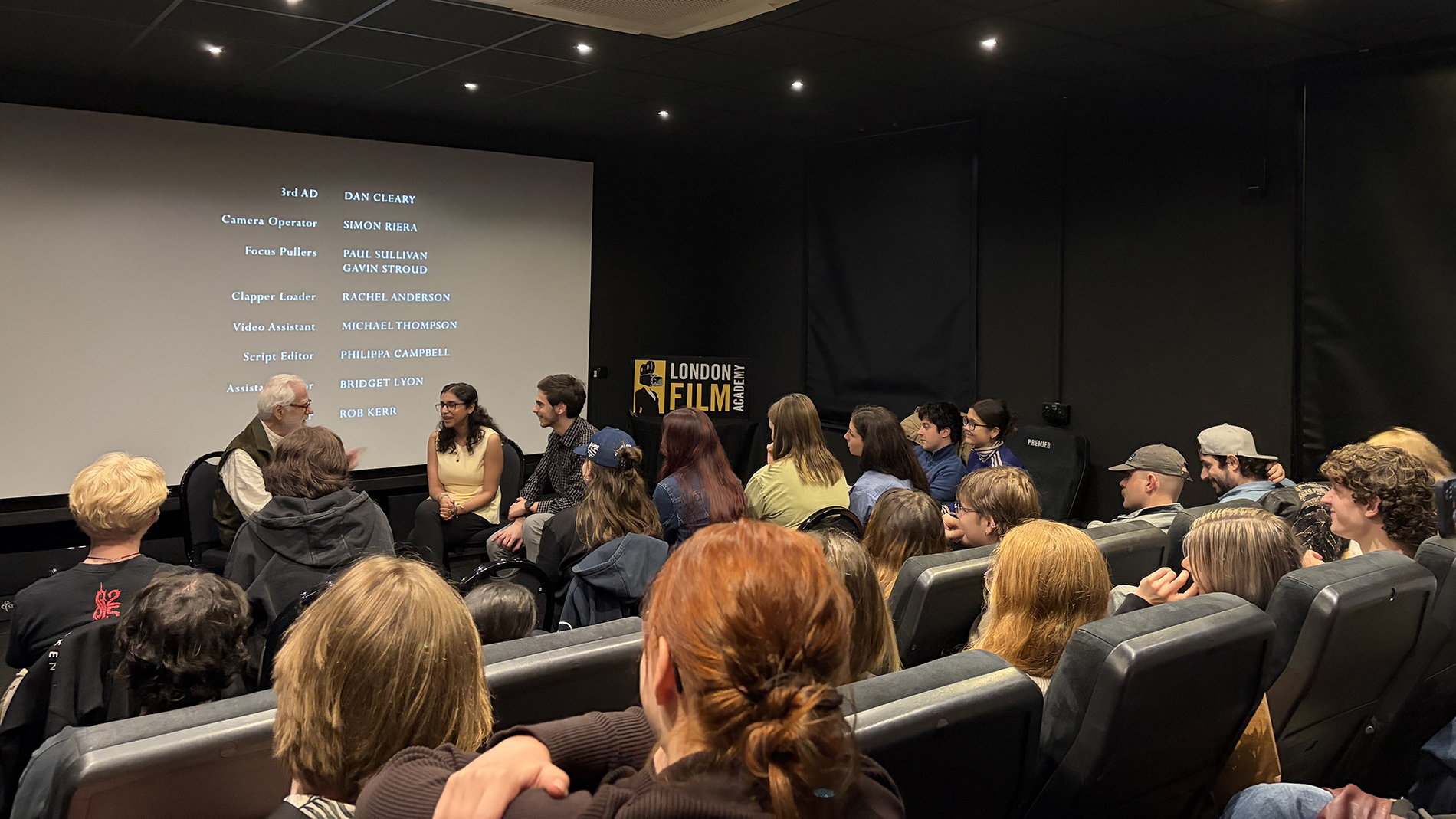
Following the screenings, Jan generously shared his thoughts on filmmaking, storytelling, and creative decision-making. One particularly memorable discussion centred on the idea of “killing your darlings” and knowing when to let go of projects that may not ultimately find their place in the world. Referencing Kubrick’s unrealised Napoleon project, Jan spoke about the importance of recognising when to move on, suggesting that creative wisdom lies not only in persistence but also in knowing when to stop.
One question raised during the discussion was whether filmmakers have a responsibility to engage with social, political, or economic issues through their work. Jan’s response was thoughtful: artists inevitably carry a degree of responsibility because of the platform they occupy, but each filmmaker must find their own balance between creative expression, social responsibility, and commercial realities.
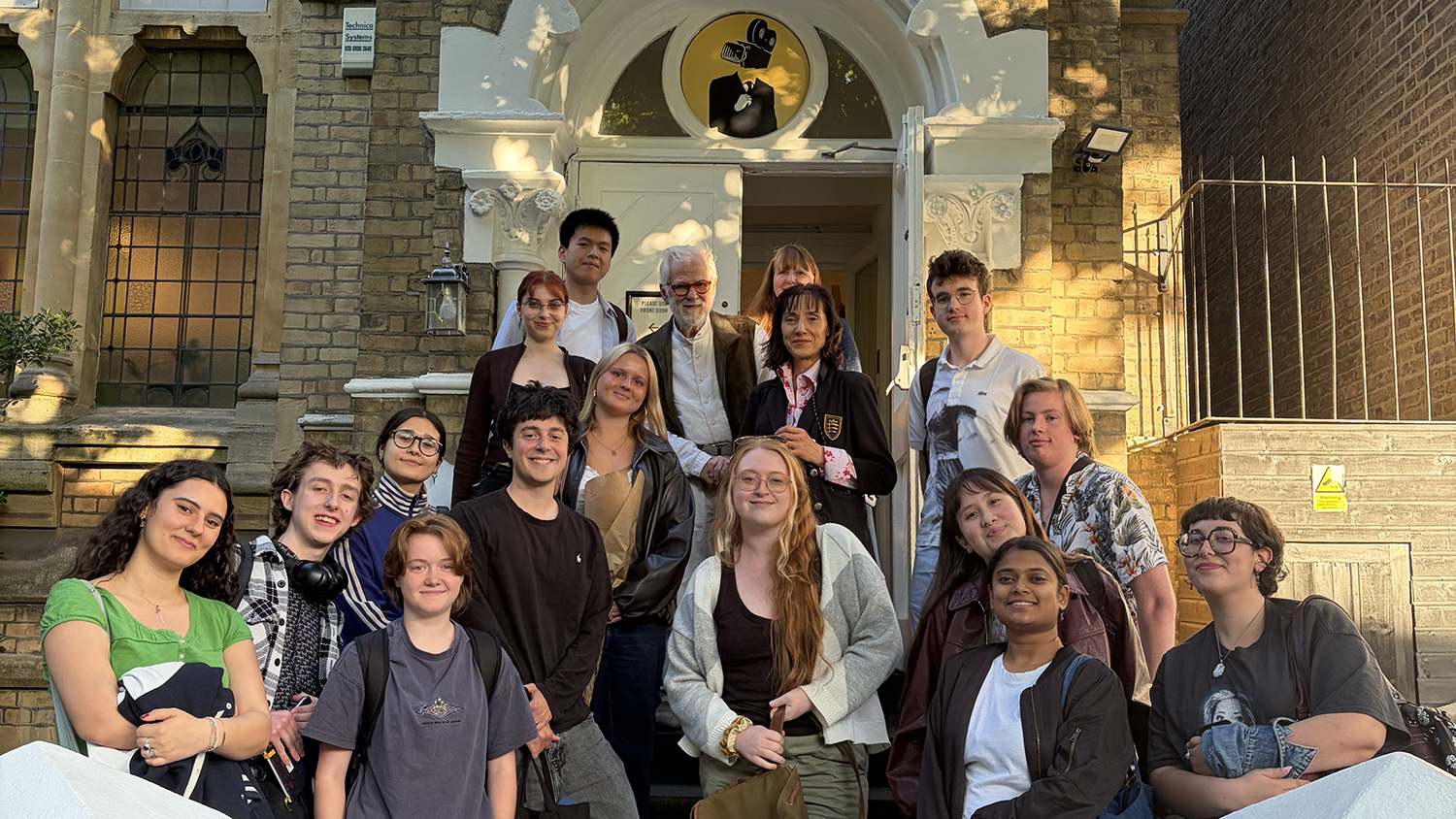
The evening concluded with a lively audience Q&A and further conversations with students. Jan was generous with both his time and advice, encouraging students to continue developing projects that are meaningful, timely, and capable of making a statement.
For me, hosting the session was both a privilege and a valuable learning experience. Beyond the opportunity to facilitate the discussion, it was inspiring to witness how thoughtfully students engaged with the films and the conversations they sparked. It was a reminder that cinema remains one of the most powerful ways to challenge perspectives, ask difficult questions, and connect with the world around us.